
Questions? Call or text anytime 📞 818-446-9627
Emily Guarnotta therapist headshot

Dr. Emily Guarnotta

PsyD, PMH-C

Dr. Emily is a clinical psychologist licensed to practice in over 40 states through psypact, a certified perinatal mental health specialist (PMH-C), and the founder of Phoenix Health. She created Phoenix Health to make specialized mental health care accessible to every parent.

Articles reviewed by Dr. Emily Guarnotta

A new mother in a rocking chair in a softly lit nursery, cradling her infant, representing the themes of "What Hospitalization for Postpartum Psychosis Is Actually Like".

What Hospitalization for Postpartum Psychosis Is Actually Like

If you or someone you love is facing inpatient psychiatric hospitalization for postpartum psychosis, here's what actually happens, from the ER admission to discharge planning.

Read article →
A new mother in a rocking chair in a softly lit nursery, cradling her infant, representing the themes of "Postpartum Psychosis Treatment: What to Expect Next at Each Stage".

Postpartum Psychosis Treatment: What to Expect Next at Each Stage

Postpartum psychosis is a psychiatric emergency, but it is treatable. Here's what the full treatment arc looks like, from the ER through hospital discharge and beyond.

Read article →
A woman at a kitchen table, baby carrier on the chair beside her, warm cup in hand, representing the themes of "Finding Outpatient Care After a Postpartum Psychosis Hospitalization".

Finding Outpatient Care After a Postpartum Psychosis Hospitalization

Discharge from the hospital is not the end of treatment, it's the beginning of a new phase. Here's exactly how to find outpatient psychiatric and therapy support after a postpartum psychosis hospitalization.

Read article →

A woman at a kitchen table, baby carrier on the chair beside her, warm cup in hand, representing the themes of "Building Your Care Team After Postpartum Psychosis".

Building Your Care Team After Postpartum Psychosis

Recovery from postpartum psychosis requires a coordinated team of providers, not just one. Here's who you need, what each person does, and how to find them.

Read article →

Risk Factors for Postpartum Psychosis: Who Is Most Vulnerable

Postpartum psychosis is not random. Certain risk factors significantly increase the likelihood of an episode. Understanding them enables preparation and monitoring.

Read article →

Recovery After Postpartum Psychosis: What the Healing Process Looks Like

Most women fully recover from postpartum psychosis. The path involves medical stabilization, emotional processing, and rebuilding, and it is more supported than many people realize.

Read article →

If Your Partner Had Postpartum Psychosis: A Guide for Families

Partners and families carry a heavy burden when postpartum psychosis strikes. This guide addresses what you experienced, what recovery looks like, and how to support healing together.

Read article →

Postpartum Psychosis vs. Postpartum Depression: Understanding the Difference

Postpartum psychosis and postpartum depression are both perinatal mood conditions, but they differ fundamentally in severity, presentation, and the urgency of the response they require.

Read article →

What Is Postpartum Psychosis? Signs, Timeline, and What to Do

Postpartum psychosis is a rare but serious psychiatric emergency that requires immediate care. Learn the signs, who is at risk, and what recovery looks like.

Read article →
A pregnant woman lying on her side on a bed, light from a window, expression peaceful, representing the themes of "Managing Bipolar Disorder While Pregnant: The Truth About Perinatal Mood Episodes".

Managing Bipolar Disorder While Pregnant: The Truth About Perinatal Mood Episodes

You're sitting in your OB's waiting room, pregnancy test still fresh in your mind, and the familiar weight of a question you've carried for years settles heavier: What happens to my bipolar disorder now?

Read article →
A new mother in a rocking chair in a softly lit nursery, cradling her infant, representing the themes of "Postpartum Psychosis Treatment: What Recovery Actually Involves".

Postpartum Psychosis Treatment: What Recovery Actually Involves

Postpartum psychosis requires emergency psychiatric care. Here's what treatment involves, what recovery looks like, and what ongoing support is needed.

Read article →
A mother sitting on the edge of a bed in morning light, infant asleep nearby in a bassinet, representing the themes of "Postpartum Psychosis: Recognizing the Early Warning Signs".

Postpartum Psychosis: Recognizing the Early Warning Signs

Postpartum psychosis is rare, but it moves fast. Knowing the early warning signs, in yourself or someone you love, can make the difference between getting help quickly and a crisis that escalates.

Read article →
A woman at a kitchen table, baby carrier on the chair beside her, warm cup in hand, representing the themes of "Postpartum Psychosis: How to Get Help and What Recovery Looks Like".

Postpartum Psychosis: How to Get Help and What Recovery Looks Like

Most people who receive proper treatment for postpartum psychosis make a full recovery. This guide covers how to get help, what treatment involves, and what to expect in the weeks and months that follow.

Read article →
A woman at a kitchen table, baby carrier on the chair beside her, warm cup in hand, representing the themes of "After Postpartum Psychosis: What Recovery Actually Looks Like".

After Postpartum Psychosis: What Recovery Actually Looks Like

The acute phase is over. Now what? Recovery from postpartum psychosis involves more than medication and time, it includes processing what happened, rebuilding your sense of self, and finding support for the grief the experience leaves behind.

Read article →
A mother sitting on the edge of a bed in morning light, infant asleep nearby in a bassinet, representing the themes of "Fear of Hospitalization Is Keeping Some Postpartum Psychosis Cases Untreated".

Fear of Hospitalization Is Keeping Some Postpartum Psychosis Cases Untreated

The fear of being hospitalized, and what that might mean for your baby, is real. It's also keeping people from getting treatment that would let them recover and come home. Here's what hospitalization actually involves.

Read article →
A new mother in a rocking chair in a softly lit nursery, cradling her infant, representing the themes of "Postpartum Psychosis vs. Postpartum Depression: How to Tell the Difference".

Postpartum Psychosis vs. Postpartum Depression: How to Tell the Difference

Postpartum depression and postpartum psychosis are completely different conditions that require completely different responses. Knowing which is which could be urgent.

Read article →
A mother sitting on the edge of a bed in morning light, infant asleep nearby in a bassinet, representing the themes of "How to Help a Loved One Who May Have Postpartum Psychosis".

How to Help a Loved One Who May Have Postpartum Psychosis

If you're watching someone you love show signs of postpartum psychosis, you may feel terrified and unsure what to do. Here's how to respond, what to watch for, and when to act.

Read article →
A mother sitting on the edge of a bed in morning light, infant asleep nearby in a bassinet, representing the themes of "Postpartum Psychosis: What to Do If You Think Someone Is Experiencing It".

Postpartum Psychosis: What to Do If You Think Someone Is Experiencing It

Postpartum psychosis is a psychiatric emergency. Here's how to recognize it, what to do immediately, and what treatment and recovery involve.

Read article →
Hero image for weaning-breastfeeding-anxiety-guide

Understanding Weaning Breastfeeding Anxiety: Causes, Symptoms, and Support

Feeling anxious, weepy, or unlike yourself while weaning? Learn why weaning triggers anxiety, the hormones behind it, and what actually helps.

Read article →
Hero image for nightmares-after-delivery

Nightmares After a Difficult Delivery? Understanding and Finding Your Path to Peaceful Sleep

The arrival of a new baby is often imagined as a time of pure joy, but what happens when the shadow of a difficult birth experience follows you into your nights? If you're finding yourself reliving distressing moments from your delivery through vivid nightmares, please know you are not alone, and wh…

Read article →
Hero image for pregnancy-jitters-vs-clinical-anxiety

Decoding Pregnancy Jitters vs. Clinical Anxiety: Know the Difference

Pregnancy is often painted as a time of pure joy and glowing anticipation. And while there’s so much excitement, let’s be honest: it can also bring a whirlwind of "what ifs" and new concerns you’ve never navigated before. Many expectant mothers feel the societal pressure for a "glowing" pregnancy, w…

Read article →

Hero image for will-cps-take-my-baby-for-ppd

No, CPS Won't Take Your Baby for Postpartum Depression

Of all the fears that keep new and expectant mothers from seeking help for their mental health, one is more powerful and more terrifying than the rest: Will they take awaymy baby?

Read article →
Hero image for touched-out-postpartum-sensory-overload-guide

"Touched Out": A Guide to Managing Sensory Overload as a New Mom

Feeling "touched out" as a new mom? Understand postpartum sensory overload, its symptoms, causes, and get actionable strategies for managing overwhelm and finding relief.

Read article →
Hero image for dark-thoughts-during-pregnancy-intrusive-thoughts-help

When Dark Thoughts Come During Pregnancy: You're Not a Monster, You're Human

Maybe it's 2 a.m. and you've typed "dark thoughts when pregnant" into your phone, terrified of what you'll find. Maybe a thought flashed through your mind today that was so disturbing you can't bring yourself to say it out loud: What if I hurt my baby? I don't want to be pregnant anymore. What if I …

Read article →

Hero image for perinatal-intrusive-thoughts-guide

The Thoughts You're Afraid to Say Out Loud: Understanding Perinatal Intrusive Thoughts

You're standing at the top of the stairs, holding your baby. A flash of terror cuts through your mind: What if I just dropped him?

Read article →
Hero image for husband-not-supportive-postpartum

"He Doesn't Understand": What to Do When Your Husband Is Not Supportive Postpartum

Postpartum resentment toward your husband is real and more common than anyone admits. Here's what's happening between you — and what actually helps.

Read article →

Hero image for depressed-at-36-weeks-pregnant

Feeling Depressed at 36 Weeks Pregnant? You're Not Alone

You're supposed to be glowing. Nesting. Folding tiny clothes with joy and counting down the days until you meet your baby. Everyone keeps telling you this is the most beautiful time—these final, precious weeks before everything changes.

Read article →

Hero image for chemical-pregnancy-grief

The Unspoken Grief of a Chemical Pregnancy: Your Loss is Real

You saw the line. It was faint, but it was there. Your heart raced with a joy that felt sacred and overwhelming. Then, days later, it was gone—as if it had never happened at all. But you know it did happen. And now you're left wondering if you're allowed to grieve something the world can barely see.

Read article →

Hero image for depression-after-stopping-breastfeeding

Feeling Depressed After Stopping Breastfeeding? Here's Why.

You've been counting down to this moment for months. Freedom from pumping schedules. Your body back. Sleep that doesn't revolve around feeding windows. But three weeks after your last nursing session, you're crying in the Target parking lot over absolutely nothing, feeling like a stranger in your ow…

Read article →

Hero image for preparing-for-second-baby

Transitioning from One Child to Two: Preparing for the Emotional Shift

You're staring at the positive pregnancy test, and instead of pure joy, you feel something closer to panic. Will I love them the same? Am I ruining my first child's life? How will I manage two kids when one already feels overwhelming?

Read article →

Hero image for postpartum-depersonalization-derealization-guide

What is Postpartum Depersonalization and Derealization? A Guide to That "Out of Body" Feeling

Do you ever feel like you’re not quite real? Like you’re watching your life as a movie instead of living it? Maybe you look in the mirror and don’t recognize the person staring back, or the world around you seems foggy, distant, and strange. If you’re having these feelings after giving birth, it can…

Read article →
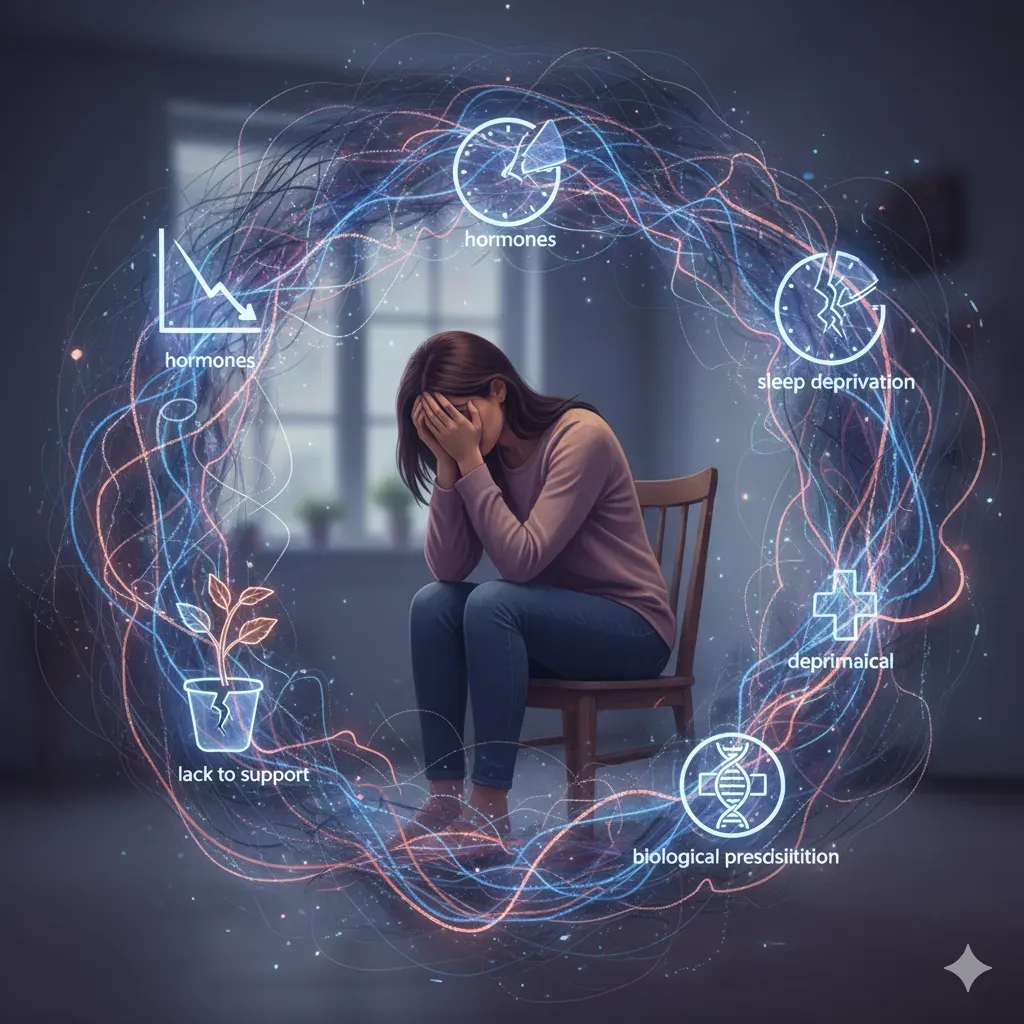
Hero image for late-onset-postpartum-depression

Can You Get PPD a Year After Giving Birth? Understanding Late-Onset Postpartum Depression

There's a common misconception that the postpartum period—and the risk for postpartum depression—is confined to the first few weeks or months after birth. You might navigate the initial newborn chaos, get past the "baby blues" phase, and think you're in the clear. But then, at six, nine, or even twe…

Read article →

Hero image for disconnected-partner-after-baby

Feeling Distant From Your Partner After Baby?

It's normal to feel disconnected from your husband or partner after a baby. Learn why exhaustion, shifting roles, and resentment happen, and find practical steps to rebuild intimacy and connection.

Read article →

Ready to get support?

Our PMH-C certified therapists specialize in perinatal mental health and can typically see you within a week.